


Our Guide to Ice Hockey Skate Sharpening
Regular skate sharpening is essential in allowing you to skate and play to the best of your ability. Sharpening ice skates is a precise process that directly impacts your performance on the rink, and understanding how it works is key to getting the most out of your kit.
Read our expert guide for all you need to know about ice hockey skate sharpening and choosing the right hollow for you.
Do New Skates Need Sharpening?
Yes - when buying new ice hockey skates, they’ll need sharpening before you hit the ice, and regularly after that too.
When buying your ice skates from Puck Stop, your first grind is completely free and included in our bespoke fitting service.
How to Know When Your Skates Need Sharpening
For recreational players - the general rule of thumb for when to sharpen is around every 8 to 10 hours of ice time.
Some signs that it’s time to get your skates booked in:
- If you feel you’re slipping or skidding rather than gripping the ice during stops and turns
- You notice your blades are dull
- There are chips or dents visible on your blades
How to Sharpen Ice Skates
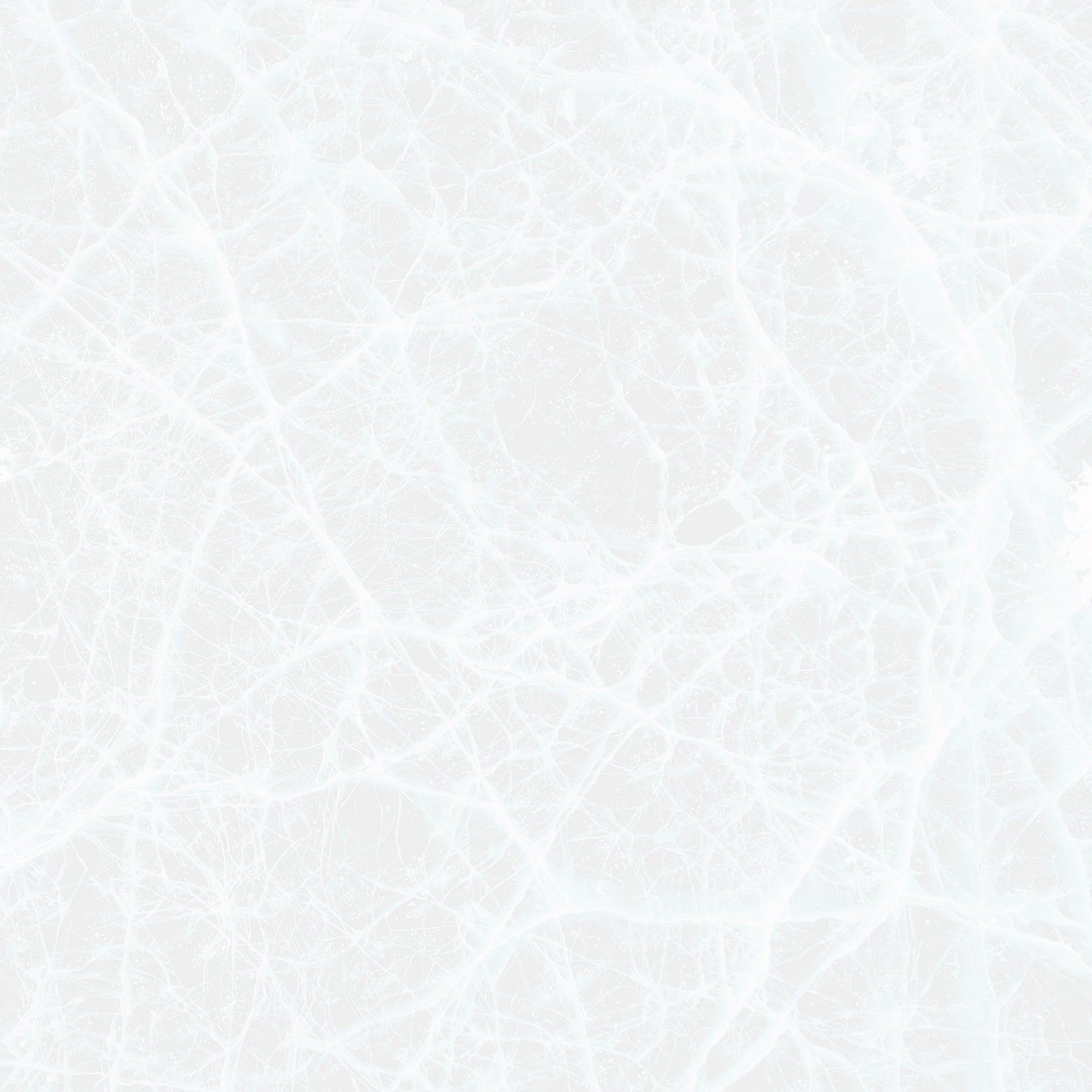
When sharpening ice skates, a hollow groove is cut into the centre of the bottom of the blade creating two edges, one on each side. To achieve this groove, the skate is moved carefully against the grinding wheel of a skate sharpening machine.
This groove is known as the ‘hollow’ and is essential for grip and maneuverability on the ice.
Remember, for the best results, skate sharpening should be done by a trained professional using the proper equipment to ensure accuracy, consistency and safety. You can check out our mail-in skate sharpening service!
Mail in Skate sharpening - £8 per pair
What is a Depth of Hollow Grind?
The depth of hollow (DoH) - sometimes called the radius of hollow (RoH) - refers to the traditional rounded, concave groove made in the bottom of the blade during the sharpening process. The DoH determines how much grip your blades have on the ice, which can significantly influence your speed, agility, stability, and the overall performance of your skates.
Choosing the right DoH can make a significant difference in your play, comfort and safety on the ice.
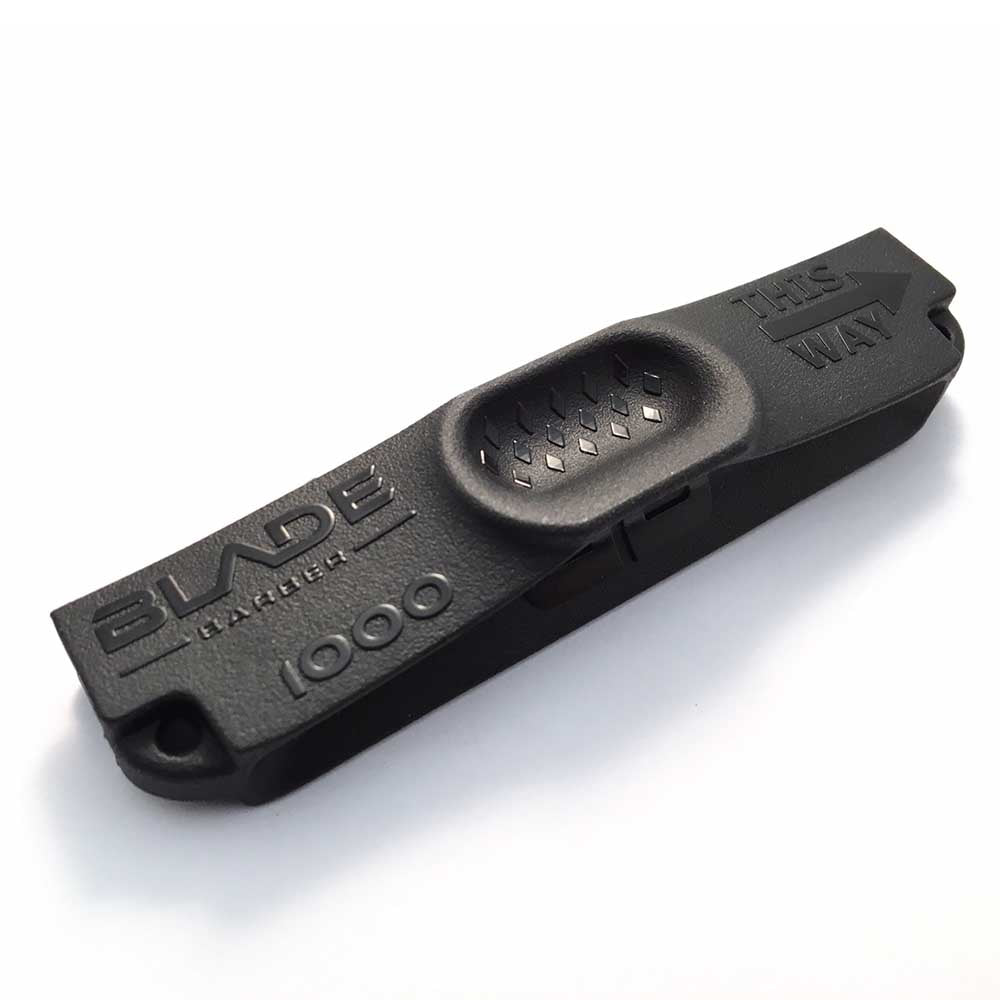
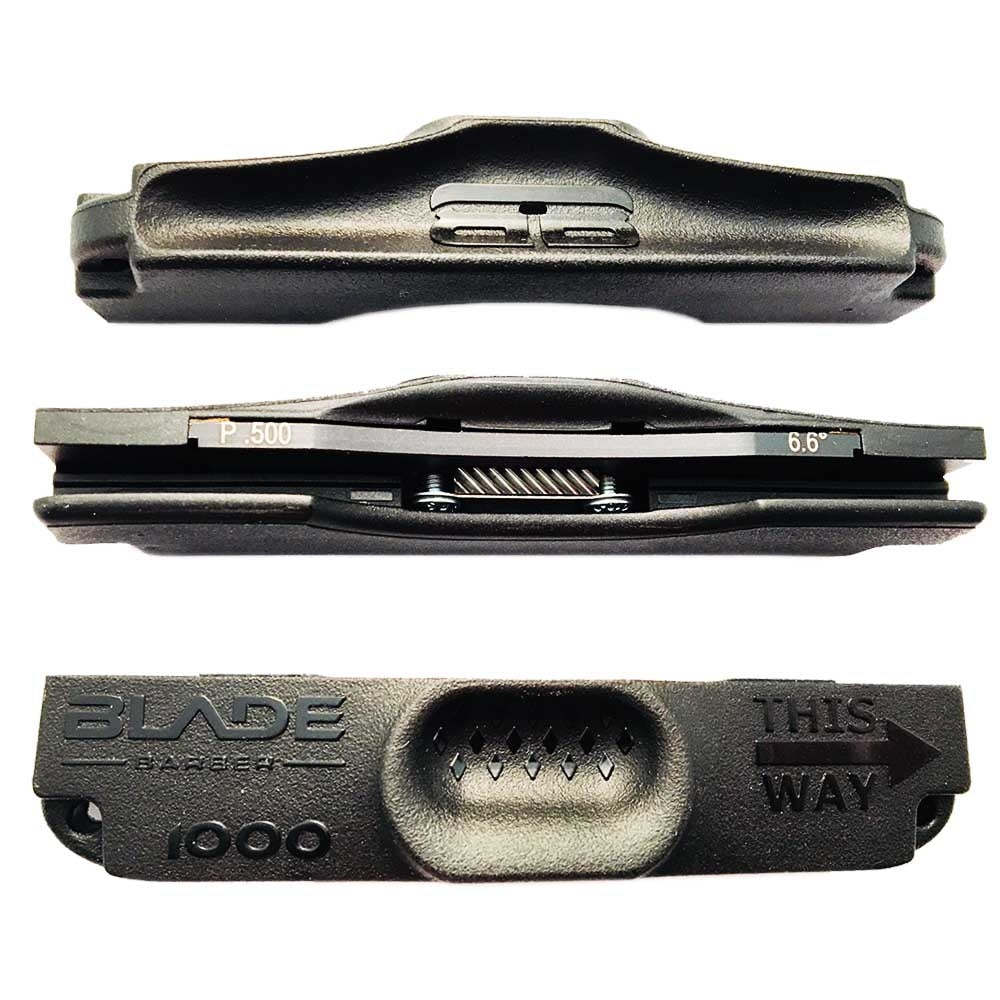
Which Depth of Hollow to Choose
When choosing a DoH, there are a few things to consider. The ‘perfect’ hollow will vary from skater to skater, depending on your skating style and considering a range of factors that create the right balance of glide and grip to suit you.

As the DoH gets larger, the depression in the skate blade becomes shallower. Typically, a deeper hollow will give a skater more grip or bite, while a shallow hollow is better for gliding. This means a deeper cut may feel slower to a player when skating in a straight line because the edges are digging in more, developing greater resistance. The trade off is that the deeper hollow bites deeper into the ice which allows for quicker, more explosive acceleration.
The three most popular hollows are:
- ⅝” - This is the ‘flattest’ of the three, offering the lowest grip and highest glide.
- ½” - The middle ground of bite and glide.
- ⅜” - This is the ‘deepest’ of the three, offering a high grip and low glide.
Traditionally, younger or smaller skaters will use a deeper hollow around ⅜” to ½”. Older or bigger skaters will use a less deep hollow like ½” to ⅝”. Beginners often start with a ½” DoH.
There is no ‘best hollow’; your personal ideal DoH will depend on your skating style and preference. Our team can assist you with the options and provide more personalised recommendations - just get in touch.
What is a Flat Bottom V Grind?
The flat bottom V (FBV) grind, developed by Blackstone, is an alternative to a traditional DoH grind. In a DoH, the hollow is round, but on an FBV cut, the bottom of the groove is flat and the two sides extend out like fangs. The theory is FBV gives skaters the benefit of greater bite and grip of a deep hollow while still achieving the enhanced glide of a shallow hollow. The variable resistance factors result in more energy transferred back to the skater allowing for less fatigue over time.

Choosing the correct FBV cut is much like DoH - it will depend on your skating style and preference. If you want more help to choose the right grind and depth for your skating, contact our in-store team for advice.
Ice Hockey Skate Sharpening FAQs
As a general guide, we would recommend having your ice hockey skates sharpened after every 8 to 10 hrs of ice time. Remember, how often you have your skates sharpened is a matter of preference, but most of the time it will depend on how often you play, train or skate.
For mail-in orders, we grind runners within 24 hours of receiving them and post them back via 24-hour shipping. In many cases, this means we turn skate sharpenings around same-day.
If you're dropping your skates off in store, we offer a “while you wait” service (unless otherwise stated). During busier periods, our team will let you know if wait times are longer than normal. Skates dropped off for sharpening within 30 minutes of closing will be sharpened for the following day.
Get Pro Sharpening Wherever You Are
We've got options to suit every player, no matter where you're based:
Mail Order Sharpening
Get a pro sharpening no matter where you're based in the UK, with a 24hr turnaround and 24hr return shipping. Check out our mail order sharpening page for full details and to book.
In Store Sharpening
Bring your skates along to our Sheffield Hockey Store before 4pm and get them sharpened while you wait.